A New Day at IPANM
Independent Petroleum
WE ARE
The Voice of Independent Oil & Gas in New Mexico
IPANM advances and preserves the interests of independent oil and gas producers while educating the public to the importance of oil and gas to the state and all our lives. In the spirit of that tradition, IPANM continues to grow and provide the services that protect, defend, and promote the industry that is the very foundation of our way of life. Our members are proud, independent, loyal, and hardworking!
WE ARE
The Voice of Independent Oil & Gas in New Mexico
IPANM advances and preserves the interests of independent oil and gas producers while educating the public to the importance of oil and gas to the state and all our lives. In the spirit of that tradition, IPANM continues to grow and provide the services that protect, defend, and promote the industry that is the very foundation of our way of life. Our members are proud, independent, loyal, and hardworking!



Independent Producers Begin Ramping Up Production; Rig Counts Increasing
ENERGYWIRE (June 5, 2026) Three months after the war in Iran sent crude prices soaring, oil producers in the biggest U.S. oil field are starting to ramp up their production. The catch: The new push may only boost production by about 250,000 barrels a day, too little...

The $4 Billion Bonanza: An Antomy Of A Lease Sale
Last week, something big happened in the U.S. oil and gas industry. In southeastern New Mexico, the federal government held the largest onshore oil and natural gas lease sale in American history. It generated more than $4 billion — more than four times the previous...
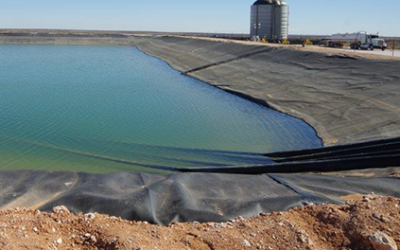
New Mexico Woefully Behind In Produced Water Reuse Mechanisms
Beatty & Wozniak (May 28, 2026) - When it comes to produced water use and reuse, Texas and New Mexico are on the same road but at very different mileposts. Texas is drafting permit mechanics for the land application of treated produced water. New Mexico is still...

Introduced Legislation Gives Special Considerations to Small Producers
A group of Republican lawmakers is jointly introducing legislation in both the House and Senate aimed at easing air pollution regulations for small oil and gas companies. The bicameral legislation, obtained exclusively by the Washington Examiner, would soften Clean...

Federal Lease Sale in New Mexico and Texas Shatters Record; Over $4 Billion Generated
U.S. Department of the Interior (DOI) May 20, 2026 - The US DOI generated over $4 billion in total receipts from a Bureau of Land Management oil and gas lease sale in New Mexico and Texas, underscoring strong industry demand for domestic energy development on public...

IPANM Releases Statement on Confirmation of Steve Pearce as BLM Director
Roswell, NM (May 18, 2026) - Today, former U.S. Congressman Steve Pearce was confirmed as the new director of the Bureau of Land Management (BLM) following a Senate vote. IPANM Executive Director Jim Winchester issued the following statement: “Steve Pearce’s...

Federal Reserve: Iran Conflict A Boon For State Revenues
Federal Reserve (May 12, 2026) - The conflict in Iran that erupted in late February represents one of the largest global energy shocks in decades. The Strait of Hormuz—a key shipping channel for energy trade—remains closed as of April 2026, disrupting roughly 20...
IPANM Producers Meet With Interior Secretary Doug Burgum
IPANM Carlsbad, NM (May 4, 2026 since updated May 11, 2026) - The Independent Petroleum Association of New Mexico (IPANM) said state oil & gas producers left a two-hour meeting in Carlsbad on the evening of Monday, May 4, 2026, optimistic that the Trump...
IPANM & Industry File Joint Motion To ReOpen WELC Bonding Hearing
After significant developments this week that included the signage of HB80 and the filing of an enviro group lawsuit against the Oil Conservation Division, IPANM has joined with the New Mexico Oil & Gas Assocciation to file a joint Expedited Motion To ReOpen the...
Join Today
Member Benefits
Our People
IPANM consists of members from various sectors of the oil and gas industry. Our members range from small, independent oil and gas producers (upstream) to small,
independent pipeline workers and production site transportation employees (midstream), to independent marketers, consultants and bankers (downstream).
Join Today
Member Benefits
Our People
IPANM consists of members from various sectors of the oil and gas industry. Our members range from small, independent oil and gas producers (upstream) to small, independent pipeline workers and production site transportation employees (midstream), to independent marketers, consultants and bankers (downstream).
Sponsors

Bill
Track
50
BillTrack50 is a legislative bill tracking service that tracks Oil & Gas legislation. Updated bills from the current session can be viewed at IPANM’s Legislative Corner webpage.
Sign Up
News
Letters
Recent News
Board of Directors
Request a Speaker
Hot Topics
No events at this time
Access
To
Member
Zone

Exclusive IPANM member access to the Memberzone! Access to events, legislative info, hot topics, networking, calendars, annual meetings, and industry updates!
Independent Petroleum Association of New Mexico
IPANM Administrative Offices
P.O. Box 6101, Roswell, New Mexico, 88202
Bus. - 575-622-2566 | Fax. - 575-622-2566
Natural Gas (NG)
WTI Crude Oil (CL)
Independent Petroleum Association of New Mexico
IPANM Administrative Offices
P.O. Box 6101, Roswell, New Mexico, 88202
Phone 575-622-2566
Search
Website designed by Siarza Social Digital